Introduction
Cricket is a game of skill, confidence, and proper equipment. Whether you are playing a casual match with friends or competing in a professional tournament, having the right protective gear is essential. Among the most important pieces of equipment for every batter are cricket batting pads. They help protect your legs from fast deliveries, unexpected bounces, and accidental impacts while allowing you to move comfortably at the crease.
Choosing the best cricket batting pads is not just about appearance or price. You need to consider protection, weight, fit, flexibility, and durability. The right pair can help you concentrate on your batting technique without constantly worrying about your safety.
In this guide, we will explain what to look for when buying batting pads, the different types available, and how to choose a pair that suits your playing style and budget.
Why Are Cricket Batting Pads Important?

Cricket batting pads are designed to protect the lower legs, particularly the shins and knees, from impacts caused by a cricket ball. Since fast bowlers can deliver the ball at considerable speed, proper leg protection is essential for players at every level.
Good batting pads offer several benefits:
- Impact protection: They help absorb and distribute the force of a ball striking the legs.
- Comfort during long innings: Well-fitted pads reduce unnecessary pressure and irritation.
- Better mobility: Lightweight designs make it easier to run between wickets and move around the crease.
- Confidence while batting: Reliable protective equipment allows players to focus on shot selection and timing.
- Long-term value: Durable materials can provide dependable performance over many matches.
Although batting pads are an important part of cricket safety, they should always be used alongside other appropriate protective equipment, including a suitable helmet, batting gloves, and an abdominal guard.
Types of Cricket Batting Pads
Different players have different requirements. Understanding the main types of cricket batting pads can help you choose the right option.
1. Traditional Cricket Batting Pads
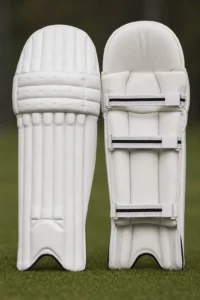
Traditional batting pads are commonly used in leather-ball cricket. They usually feature padded protective sections, reinforced areas, adjustable straps, and materials designed to balance impact protection with comfort.
These pads are suitable for club players, competitive cricketers, and beginners who regularly play with a leather cricket ball.
When choosing traditional pads, pay attention to their fit around the knee and shin, the quality of the straps, and how easily you can move while wearing them.
2. Lightweight Batting Pads
Lightweight cricket batting pads are designed for players who prefer greater mobility and less weight around their legs.
They can be particularly useful for batters who frequently run between wickets, play long innings, or prefer a less restrictive feel.
However, lightweight does not automatically mean better. Always check the quality of the protective materials and make sure the pads are suitable for your level of cricket.
3. Youth and Junior Batting Pads

Young cricketers need batting pads that fit their body size properly. Oversized pads may restrict movement, while pads that are too small may leave important areas exposed.
Junior batting pads are designed with younger players in mind and are available in different sizes.
Parents should check the fit around the knee, shin, and ankle before purchasing. The pads should stay securely in place without causing discomfort.
4. Premium Cricket Batting Pads

Premium batting pads may feature lightweight materials, improved cushioning, ergonomic shaping, and comfortable inner linings.
These features can be attractive to experienced players who spend considerable time batting.
Nevertheless, a higher price does not guarantee the best fit. Compare the actual construction, protection, comfort, and durability before making your decision.
How to Choose the Best Cricket Batting Pads
Before buying a pair, consider the following factors to find pads that suit your needs.
1. Choose the Correct Size
Size is one of the most important considerations when buying cricket batting pads. Properly sized pads should cover the intended protective areas without interfering with your stance or footwork.
Check the manufacturer’s sizing chart and measure from the centre of your knee to the top of your foot, following the brand’s recommended method.
When trying on pads, bend your knees, take your batting stance, and walk a few steps. The pads should remain in position without digging into your skin or restricting normal movement.
2. Check Protection and Construction
Look for well-constructed pads with suitable padding, secure straps, and reinforced protective areas.
The best option depends on the type of cricket you play, your competition level, and the manufacturer’s specifications.
For regular leather-ball cricket, prioritize dependable protection and a secure fit instead of choosing pads based only on their appearance.
3. Consider Weight and Flexibility
Heavy pads can feel tiring during long innings, while poorly designed lightweight pads may not provide the protection you need.
Look for a balance between weight and protective construction.
If possible, try the pads with your cricket trousers and other batting equipment. This helps you understand how they feel when moving between wickets or getting into your normal batting stance.
4. Look for Comfortable Straps
Batting pads usually have straps that help secure them around the legs. Adjustable straps should hold the pads firmly without creating excessive pressure.
Check the fastening quality and make sure the pads do not slide down or rotate while you move.
Comfortable straps are particularly important during long practice sessions and competitive matches.
5. Set a Realistic Budget
Cricket batting pads are available at different price points. Beginners may be able to find a suitable pair with basic protective features, while regular club players may prefer more advanced materials and construction.
Instead of automatically choosing the cheapest or most expensive option, compare protection, sizing, comfort, durability, and warranty information where available.
The right pair is the one that meets your playing requirements and provides good value for money.
Best Cricket Batting Pads for Different Players
The best cricket batting pads depend on who will use them and how frequently they play.
| Player Type | What to Prioritize |
|---|---|
| Beginners | Comfortable fit, reliable protection, reasonable price |
| Junior players | Correct sizing, secure straps, freedom of movement |
| Club cricketers | Durable construction, cushioning, comfort |
| Advanced players | Protection, fit, mobility, quality materials |
| Occasional players | Practical design, suitable protection, value for money |
These are general buying recommendations rather than rankings of specific products. Always check the individual product’s specifications before purchasing.
How to Maintain Your Cricket Batting Pads
Taking care of your batting pads can help preserve their condition and extend their useful life.
Clean them after use: Remove dirt and surface marks with a soft cloth. Follow the manufacturer’s cleaning instructions.
Allow them to dry: After a sweaty practice session or match, let the pads air-dry in a well-ventilated area. Avoid storing them while damp.
Inspect the straps: Check the fastenings, stitching, and straps regularly. Damaged fastenings can prevent the pads from staying securely in place.
Store them properly: Keep your cricket equipment in a dry kit bag or storage area away from excessive heat and moisture.
Replace damaged pads: If the protective sections become badly compressed, cracked, or damaged, consider replacing the pads rather than relying on worn-out protection.
Common Mistakes to Avoid When Buying Batting Pads
Even experienced players can make mistakes when selecting protective equipment. Avoid these common problems:
- Buying the wrong size because it is cheaper or readily available.
- Choosing a pair based only on its brand or appearance.
- Ignoring comfort and flexibility.
- Assuming that lightweight pads always offer better performance.
- Failing to inspect straps and stitching.
- Purchasing equipment without checking whether it suits the type of cricket being played.
Taking a little extra time to compare options can help you find batting pads that offer a better combination of comfort, protection, and value.
Final Thoughts
Finding the best cricket batting pads means choosing equipment that protects your legs while allowing you to bat naturally and confidently. Size, protective construction, weight, flexibility, and comfort should all influence your decision.
Beginners should focus on a secure fit and dependable protection, while regular and advanced players may also prioritize lightweight materials and long-lasting construction. Junior players need correctly sized pads that allow natural movement.
Before buying, compare the available options, check the manufacturer’s sizing guidance, and inspect the overall build quality. The right batting pads can become a dependable part of your cricket kit for training sessions and match days.
Whether you are preparing for your first game or upgrading your existing equipment, choose cricket batting pads that match your needs, playing style, and budget.
Frequently Asked Questions
Which cricket batting pads are best for beginners?
Beginners should choose batting pads that fit properly, provide suitable protection, have secure straps, and feel comfortable while batting. An expensive pair is not always necessary.
How should cricket batting pads fit?
Batting pads should cover the intended protective areas, remain securely in place, and allow you to bend your knees and move naturally. Always consult the manufacturer’s sizing chart.
Are lightweight batting pads better?
Lightweight pads can improve comfort and mobility, but their protective construction matters just as much. Choose a pair that balances reduced weight with suitable protection.
How long do cricket batting pads last?
Their lifespan depends on usage, materials, storage, and maintenance. Inspect the padding, stitching, and straps regularly, and replace pads when their protective condition is compromised.
Can junior players use adult batting pads?
Adult pads may be too large for younger players and can restrict movement or leave areas poorly protected. Junior players should use appropriately sized equipment.
What should I check before buying cricket batting pads?
Check sizing, protective construction, weight, flexibility, strap quality, comfort, durability, and suitability for your type of cricket. Compare the manufacturer’s specifications before making a purchase.