
Introduction
No longer is the roar of the crowd only heard within the confines of a lush green pitch or of a refined wooden court, but now resonates within the vast digital coliseums and worldwide broadcasting channels. Esports: A New Age of Competitive Gaming is one of the hot new topics in world of sports today, marking a tectonic and irreversible transformation on our conception of the term “athlete” and “competition”. From humble basement tournaments and a few enthusiasts, this new phenomenon has now been transformed into a worldwide billion dollar industry. This is but only one of the current trends unfolding during our digital age and is but one of a plethora of phenomena tackling some of the most complex problems of the 21st Century, while also exemplifying the direction of global competition of the future..
In an era, when everything is going digital, Esports: A New Age of Competitive Gaming is creating a world where the barrier between traditional entertainment and virtual reality no longer exists. The shift from a normal joystick tapping game to a professional course where pro-players practice 12 hours a day has alarmed many prominent sports bodies. The scope of this trend is also reflected in the viewership numbers that Esports: A New Age of Competitive Gaming commands which are often greater than that of the finals of a major league baseball game or a major league basketball game. When we have high speed connectivity, state of the art hardware integrated with a worldwide on-line community, we need not look any further for the starting point of this new generation of gaming.
Historical Context: From Arcade Cabinets to Global Stages
The history of esports: a new age of competitive gaming shows how the sport has developed over time and what milestones have defined its journey. It all began in 1972 with the “Intergalactic Spacewar! Olympics” at Stanford University. However, the true modern era of Esports was triggered by the arrival of high-speed internet and iconic titles like StarCraft, Counter-Strike, and Dota 2.
Key Milestones:
-
The 1980 Space Invaders Championship: The first large-scale gaming competition with over 10,000 participants.
-
The Rise of Twitch (2011): This platform revolutionized viewership, allowing fans to watch live professional gaming from anywhere in the world.
-
The International (Dota 2): Introducing prize pools worth tens of millions of dollars, proving that gaming is a lucrative professional career.
Current Trends: Technology and the Mobile Gaming Boom
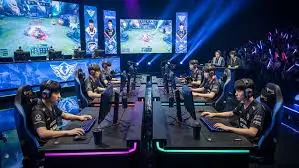
In recent years, esports: a new age of competitive gaming has witnessed major transformations influenced by technology, global participation, and changing audience preferences. We are no longer limited to expensive PCs; the rise of mobile Esports (like PUBG Mobile and Free Fire) has democratized competition in regions like South Asia and Brazil.
The Role of AI and 5G
The integration of 5G technology has reduced latency (ping) to near-zero, making professional play possible even on wireless networks. Furthermore, AI is now being used for real-time analytics and coaching, helping players optimize their movements and strategies to a millisecond’s precision.
| Feature | Impact on Esports Growth |
| Cloud Gaming | Removes the need for expensive hardware, inviting more players. |
| Virtual Reality (VR) | Creates immersive arenas where fans feel like they are inside the game. |
| Blockchain | Introduces secure ownership of in-game assets and transparent prize distributions. |
Impact on Society: More Than Just “Playing Games”
Esports: A New Age of Competitive Gaming doesn’t just entertain—it influences culture, national pride, and even politics, leaving a lasting impact on communities. It has become a legitimate career path, with universities now offering “Esports Scholarships” and governments recognizing pro-gamers as “Athletes” for visa purposes.
-
Cultural Integration: Top gamers like Ninja or Faker are now global celebrities, appearing in mainstream media and luxury brand collaborations.
-
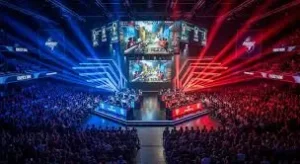
National Pride: International tournaments like the League of Legends World Championship evoke the same patriotic fervor as the FIFA World Cup.
-
Educational Growth: Schools are using Esports to teach STEM (Science, Technology, Engineering, and Math) skills, teamwork, and strategic thinking.
My Opinion: Why the “Sports” Label Doesn’t Matter Anymore
In my professional opinion, the debate over whether Esports is a “real sport” is redundant anyway. As a digital trends analyst, I believe that Esports: A New Age of Competitive Gaming is the most inclusive competition ever invented. It breaks down brick walls, and genders, sizes and physical types compete equally. In Pakistan and elsewhere among developing nations, Esports will be the fastest way to reach international stardom, because they only need a screen and a brain- not a billion-dollar stadium. The future is not about muscle s it is about neuronal pace.
Frequently Asked Questions (FAQs)
1. Is Esports considered a real sport?
Yes, many countries and sporting bodies (including the Asian Games and the IOC) now recognize Esports as a legitimate competitive sport due to the high level of skill, training, and strategic thinking required.
2. How do Esports players make money?
Professional players earn through tournament prize pools, team salaries, sponsorships, streaming revenue on platforms like Twitch/YouTube, and brand endorsements.
3. What are the most popular Esports games in 2026?
Games like Valorant, Dota 2, League of Legends, and Mobile Legends: Bang Bang continue to dominate the global charts in terms of viewership and participation.
4. Can anyone become a professional Esports player?
While anyone can play, becoming a “pro” requires immense dedication, often involving 8-12 hours of practice daily, a high “Mechanical Skill” (reflexes), and deep tactical knowledge of the game.
5. How has 5G impacted the Esports industry?
5G has made mobile Esports much more competitive by providing stable, high-speed connections, allowing for professional tournaments to be held on mobile devices without lag.
Conclusion
In conclusion, esports: a new age of competitive gaming will continue to evolve. Its influence on sports and society shows no signs of slowing down, making it a fascinating area to watch. As technology continues to blur the lines between the physical and virtual worlds, Esports will likely become the dominant form of entertainment for the next generation. Whether you are a casual viewer or a hardcore competitor, the digital arena is open to everyone.