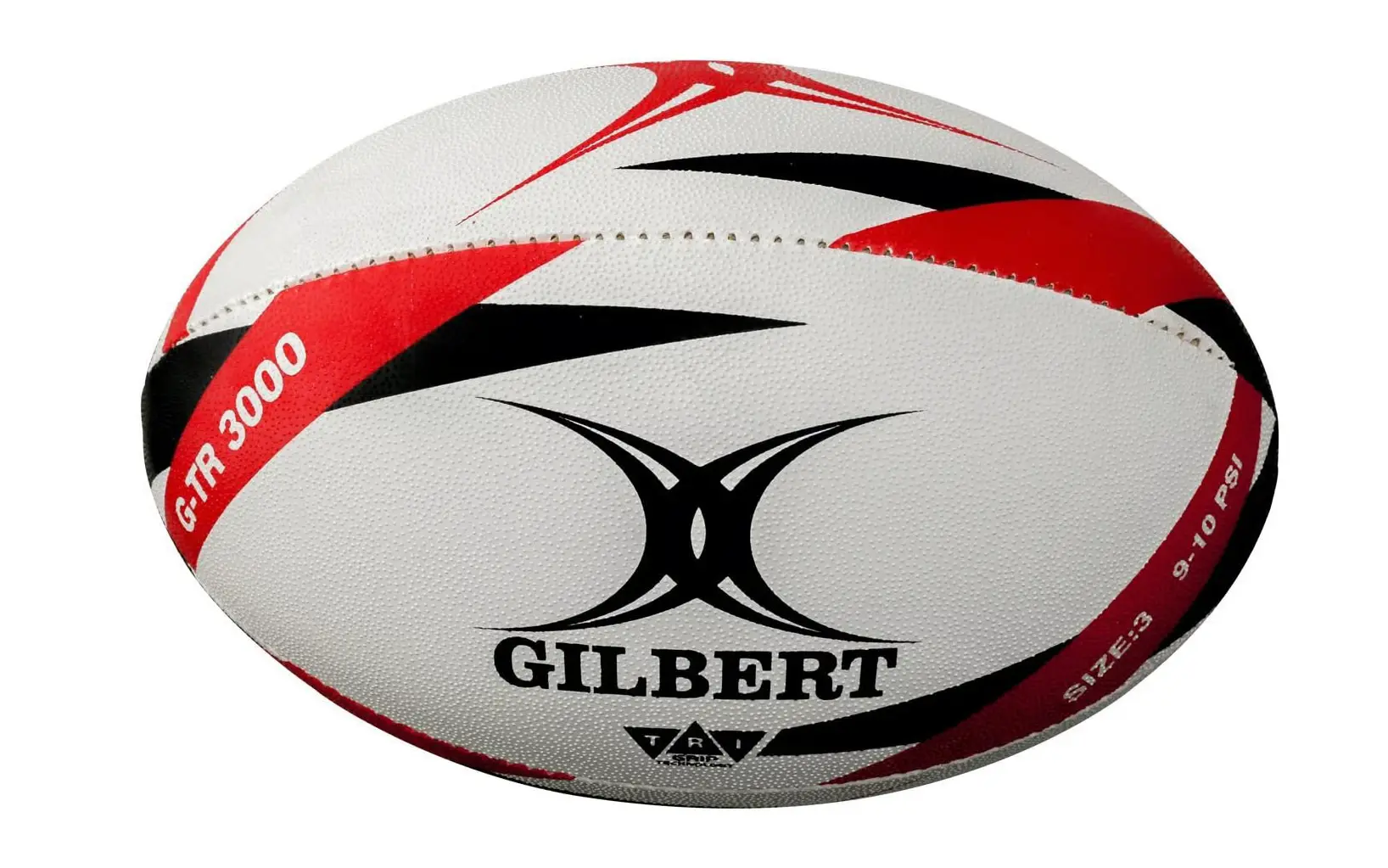
Introduction
If you’re new to rugby, one of the first questions you’ll ask is, “What is the best rugby ball for beginners?” Choosing the right ball can make a significant difference in how quickly you learn the game. A well-designed rugby ball improves passing accuracy, catching confidence, kicking control, and overall skill development.
Unlike professional match balls, beginner rugby balls are designed with durability, grip, and ease of handling in mind. They help new players build confidence while practicing the basic techniques without worrying about expensive equipment.
Whether you’re a young player joining your first rugby club, a parent buying a ball for your child, or an adult learning the sport, this guide will help you choose the best rugby ball for beginners based on size, material, grip, and budget.
If you’re completely new to the sport, it’s also important to understand the basic rules and game play. Before purchasing your first ball, take a look at this comprehensive guide on how to play rugby for beginners to learn the fundamentals of rugby and improve your overall understanding of the game.
Quick Answer
The best rugby ball for beginners is a durable training ball with the correct size, textured grip, and high-quality synthetic rubber construction. It offers better control, easier handling, and improved confidence while learning the basic skills of rugby.

Why Choosing the Right Rugby Ball Matters
Many beginners assume that every rugby ball is the same, but that’s far from true. Rugby balls vary in size, construction, grip, and intended use. Choosing the wrong ball can make passing and catching more difficult, slowing down your progress.
A beginner-friendly rugby ball offers several advantages:
- Better grip for improved handling.
- Softer feel for comfortable catching and passing.
- Durable construction for regular practice.
- Lightweight design for easier control.
- Affordable price without sacrificing quality.
Learning the correct techniques becomes much easier when you’re practicing with a ball that’s designed for your age and skill level.
What Makes the Best Rugby Ball for Beginners?
The best rugby ball for beginners should provide excellent grip, long-lasting durability, the correct size, and comfortable handling. A quality training ball helps new players develop passing, catching, and kicking skills while building confidence during practice sessions.
Not every rugby ball is suitable for new players. The best option should combine comfort, durability, and excellent grip while remaining easy to control during training sessions.
Here are the most important features to consider before buying your first rugby ball.
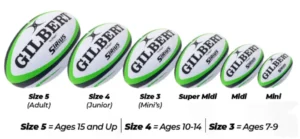
- Choose the Correct Ball Size
Selecting the right size is essential for proper skill development.
- Size 3: Suitable for young children (under 9 years).
- Size 4: Recommended for junior players (ages 10–14).
- Size 5: Official size for teenagers and adults aged 15 and above.
Using the correct size helps players develop accurate passing, better catching techniques, and stronger ball control.
- Look for Excellent Grip
Grip is one of the most important features of a beginner rugby ball. A textured rubber surface allows players to hold and pass the ball more confidently, even during wet weather or intense training sessions.
Balls with deeper grip patterns are generally easier for beginners to control than smooth-surfaced models.
- Durable Construction
Beginners spend a lot of time practicing, so durability matters. Look for rugby balls made from quality synthetic rubber with reinforced stitching. A durable ball will withstand repeated passes, kicks, and tackles without losing its shape.
Best Materials for a Beginner Rugby Ball
The material of a rugby ball plays a major role in its durability, grip, and overall performance. Beginners don’t need the same type of ball used in professional matches. Instead, they should look for a ball that is easy to handle and built for regular practice.
Most beginner rugby balls are made from high-quality synthetic rubber. This material offers a comfortable feel, excellent grip, and long-lasting durability. It also performs well in different weather conditions, making it a practical choice for players who train throughout the year.
Some premium rugby balls feature advanced composite materials that improve control and accuracy. While these balls provide excellent performance, they are often more expensive and are generally better suited for experienced players.
For beginners, a durable synthetic rubber ball offers the best balance of quality, performance, and affordability
Popular Beginner Rugby Ball Brands

If you’re unsure which brand to choose, several manufacturers are well-known for producing reliable beginner rugby balls. Brands such as Gilbert, Rhino, Canterbury, and Optimum Sports offer quality training balls that provide excellent grip, durability, and value for new players. Instead of focusing only on the brand name, compare the ball’s size, grip, and construction before making your final decision.
Grip Matters More Than You Think
One of the biggest challenges for new rugby players is maintaining control of the ball during passing and catching drills. That’s why grip is one of the most important features to consider when choosing the best rugby ball for beginners.
A textured outer surface helps players hold the ball securely, even during rainy weather or fast-paced training sessions. Better grip also improves passing accuracy and builds confidence, especially for players who are still learning proper technique.
When comparing rugby balls, don’t focus only on appearance. Always check the surface texture and overall grip quality before making your purchase.
Pro Tip
If possible, hold the rugby ball before purchasing it. A comfortable grip and balanced weight often make a bigger difference than choosing the most expensive model.
Training Ball vs Match Ball
Many beginners aren’t sure whether they should buy a training ball or a match ball. The table below highlights the key differences.
| Feature | Training Rugby Ball | Match Rugby Ball |
| Grip | Excellent | Excellent |
| Durability | High | Medium |
| Price | Affordable | Expensive |
| Best For | Beginners & Practice | Competitive Matches |
| Daily Training | Yes | Not Recommended |
Should Beginners Buy an Expensive Rugby Ball?
A common misconception is that expensive equipment automatically leads to better performance. In reality, beginners don’t need a professional-grade rugby ball to develop their skills.
A reliable training rugby ball provides everything a new player needs, including:
- Comfortable handling
- Good grip
- Strong durability
- Affordable pricing
Professional match balls are designed for competitive games and advanced players. Unless you’re playing at a higher level, spending extra money on a premium match ball usually isn’t necessary.
Starting with a quality training ball allows you to improve your skills without exceeding your budget.
Common Mistakes When Buying Your First Rugby Ball
Many first-time buyers make simple mistakes that affect their learning experience. Avoiding these common errors can help you choose a ball that supports your development from day one.
Buying the Wrong Size
Always choose the correct ball size for your age group. Using an oversized or undersized rugby ball can make passing, catching, and kicking much more difficult.
Ignoring Build Quality
A cheap rugby ball may seem like a bargain, but poor stitching and low-quality materials often lead to faster wear and tear. Investing in a durable training ball usually saves money over time.
Choosing Appearance Over Performance
Bright colors and stylish designs may look attractive, but performance should always come first. Prioritize grip, comfort, and durability instead of focusing only on appearance.
Forgetting About Regular Practice
Even the best rugby ball for beginners won’t improve your game unless you practice consistently. Developing strong fundamentals requires time, repetition, and proper technique.
Quick Buying Checklist
Before purchasing your first rugby ball, ask yourself these simple questions:
✔ Is it the correct size for my age?
✔ Does it have a textured grip?
✔ Is it made from durable synthetic materials?
✔ Is it designed for training rather than professional matches?
✔ Does it fit my budget?
If the answer is “yes” to all of these questions, you’ve likely found a rugby ball that will support your development as a beginner.
How to Take Care of Your Rugby Ball
Buying the best rugby ball for beginners is only part of the process. Proper care helps maintain its grip, shape, and durability, ensuring it performs well for a long time.
Follow these simple maintenance tips:
- Keep the ball properly inflated. Always use the air pressure recommended by the manufacturer. Overinflation can damage the seams, while underinflation affects passing and kicking accuracy.
- Clean it after practice. Wipe away mud and dirt with a damp cloth to preserve the outer surface.
- Store it indoors. Avoid leaving your rugby ball in direct sunlight or extreme temperatures, as this can damage the material and reduce its lifespan.
- Use it on suitable surfaces. Rugby balls are designed for grass or turf. Regular use on concrete or rough surfaces can wear them out much faster.
A few minutes of care after each training session can help your rugby ball last for several seasons.
Frequently Asked Questions (FAQs)
- What is the best rugby ball for beginners?
A durable training rugby ball with a textured grip and the correct size is the best choice for beginners. It offers better control, comfort, and value than a professional match ball.
- Which rugby ball size should beginners choose?
Children should use Size 3 or Size 4 depending on their age, while teenagers and adults should generally choose an official Size 5 rugby ball.
- Should beginners buy a match rugby ball?
Not usually. A quality training rugby ball is more durable, easier to control, and better suited for learning the basics of the game.
- How long does a rugby ball last?
With proper maintenance and regular care, a quality rugby ball can last several seasons, depending on how often it’s used and the playing surface.
- Does grip really matter?
Yes. A rugby ball with a good textured grip makes passing, catching, and handling much easier, especially for beginners who are still developing their skills.
Expert Buying Tip
Beginners should focus on mastering the fundamentals rather than buying professional-grade equipment. A well-made training rugby ball, combined with regular practice, will help improve your skills much faster than investing in an expensive match ball too early.
Once you’ve chosen the right rugby ball, the next step is learning how to use it effectively. Our complete How to Play Rugby for Beginners guide explains the basic rules, player positions, essential skills, and practical tips every new player should know before stepping onto the field.
Final Verdict
Choosing the best rugby ball for beginners doesn’t have to be complicated. The most important factors are selecting the correct size, ensuring the ball has excellent grip, and choosing a durable training model that suits your budget.
Remember, your rugby ball is only one part of becoming a better player. Improving your passing, catching, tackling, and understanding of the game’s rules is equally important. A quality training ball combined with regular practice will help you develop confidence and enjoy the game even more.